Mental Math in Secondary Math Classrooms

Let’s talk about mental math, a skill that holds immense value for our secondary students. Elementary teachers work with students on mental math but in middle school and high school it becomes limited because we have such a broad curriculum to cover and time becomes an issue. As experts in the field of math, we have a unique opportunity to equip our students with the tools they need to thrive academically and in real-life scenarios.
As a high school math teacher, the lack of mental math can become apparent. Here are a few ways that I know a student struggles with mental math:

  • They reach for the calculator to do simple tasks.
  • They struggle with positives and negatives.
  • They do not know multiplication facts.
  • They do not have confidence and avoid responding.
  • They struggle with estimation.
  • They have a lack of number sense.

The SAT is removing its “no calculator section” in 2024, and calculators are becoming increasingly common in everyday life. So why should we still teach mental math?

  1. Mental math is a valuable skill that can help students in many ways. It can improve their speed and accuracy in calculations, and it can also help them develop a deeper understanding of mathematical concepts.
  2. Mental math can help students become more strategic thinkers. When they are faced with a math problem, they need to be able to decide whether to use a calculator or to solve the problem mentally. This requires them to think about the problem carefully and to consider the best way to solve it.
  3. Mental math can help students become more independent learners. When they are able to solve math problems in their head, they don’t need to rely on a calculator or on someone else to help them (this is a dream for a math teacher). This can give them a sense of confidence and accomplishment, and it can also help them become more self-reliant.
  4. Mental math can simply be fun. It can be a challenge to try to solve math problems in your head, and it can be satisfying to be able to do it successfully.

How do we convince students that mental math skills will help them beyond the classroom? The best way is to give them some scenarios of things they could face. The number one thing to get across is that if students do not have good mental math skills, then they can easily be taken advantage of. Mental math can be used in many situations. This is a list of 15 ways students might use mental math in their future endeavors.

  1. Shopping: When shopping, mental math allows you to calculate discounts, estimate total costs, and compare prices to find the best deals without relying on a calculator.
  2. Financial Transactions: Whether you’re receiving change at a store or checking your bank balance, mental math helps you verify that you’re getting the correct amount and avoid errors.
  3. Cooking and Baking: In the kitchen, mental math enables you to adjust recipe quantities, convert measurements, and quickly calculate cooking times.
  4. Budgeting: Mental math skills aid in budgeting finances, helping you track expenses, allocate funds, and plan for future financial goals.
  5. Tip Calculation: When dining at a restaurant, you can easily calculate tips based on percentages, ensuring accurate gratuity without the need for a calculator.
  6. Time Management: In time-sensitive situations, mental math allows you to quickly estimate durations, plan schedules, and manage your time effectively.
  7. Travel Planning: When traveling, mental math helps you convert currency, estimate distances, and calculate time differences between different time zones.
  8. DIY Projects: In home improvement projects, mental math allows you to measure and cut materials accurately and estimate the required quantities of materials.
  9. Fitness and Health: Mental math is useful in keeping track of workout routines, counting repetitions, and monitoring health-related data like calorie intake or heart rate.
  10. Navigation: When driving or navigating through unfamiliar places, mental math aids in estimating distances and travel times between destinations.
  11. Tax and Tip Calculation: While dining out or shopping, mental math helps you quickly calculate total bills, including taxes and tips.
  12. Sharing Expenses: In group settings, mental math facilitates the fair division of expenses among friends or colleagues.
  13. Home Management: In household chores, mental math assists in determining the appropriate quantities of cleaning products, cooking ingredients, or household items to purchase.
  14. Career and Business: In various professions, mental math aids in analyzing data, making financial decisions, and calculating costs, profits, or margins.
  15. Emergency Situations: During emergencies, mental math enables you to quickly assess situations, calculate available resources, and respond effectively.

Let’s talk about how to incorporate mental math into an already busy math curriculum. As a secondary math teacher with limited time, you can efficiently incorporate mental math into your classroom routine with a little planning. Here are a few suggestions.

  • Start each class with a quick mental math warm-up, offering a mix of problems to reinforce concepts and challenge students.
  • Engage your class with math game sessions that focus on mental math skills, making learning fun and interactive.
  • To make mental math relevant, integrate it into real-life scenarios such as budgeting and trip planning.
  • During lessons, include quick discussions and estimation exercises to promote critical thinking.
  • Add an extra station for mental math if you are already doing stations.
  • During transitions times, have students work on a mental math.
  • Talk about mental math on a regular basis!

By nurturing mental math skills, students become strategic thinkers and independent learners. They gain confidence, self-reliance, and a sense of accomplishment. Beyond the classroom, mental math equips them to handle real-world challenges and prevents them from being taken advantage of. From shopping to cooking, budgeting to travel planning, mental math proves indispensable in numerous situations.

Incorporating mental math into our already busy math curriculum requires thoughtful planning and creativity. Utilizing warm-ups, game days, real-life applications, discussions, and peer collaboration, we can seamlessly integrate mental math practice into our lessons. With these concise strategies, we empower our students to master mental math, making them more adept at handling mathematical challenges and better equipped for success in their academic and future endeavors. Let’s embrace the importance of mental math and inspire our students to unlock its power for their benefit and growth.

Teacher Hack: Using File Folders for More Than Filing!

Over the years, file folders have proven to be versatile tools beyond their traditional use. They’re sturdy, easy to label, and even come in various colors for added flexibility. Let me share some practical applications I’ve discovered in my classroom.

Organizing for a sub:

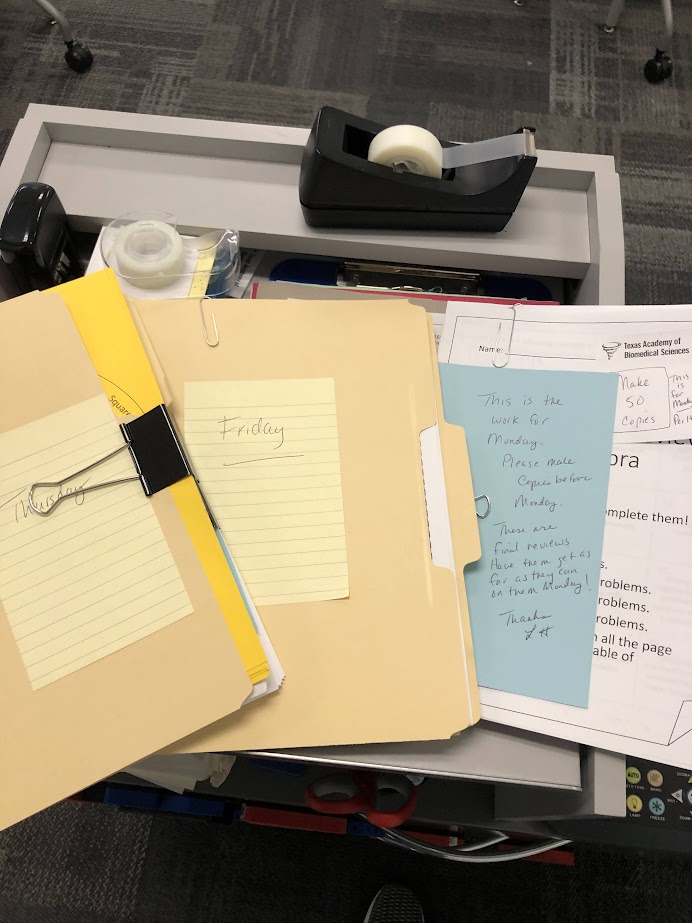
When it comes to ensuring seamless organization during my absences, especially for longer periods with multiple substitutes, I rely on file folders. They provide a simple yet effective method to ensure that substitutes have all they need and can keep everything in order. What’s more, the sub can use the folder to ensure that materials find their way back to me.

Game Boards:

Another innovative use I’ve found is utilizing file folders as a durable game board. One notable example is my “Graphing Lines Games,” which I designed to withstand the test of time. By placing the game components inside the folder, it becomes a portable and storable game board. You can find this game in my store!

Projects:

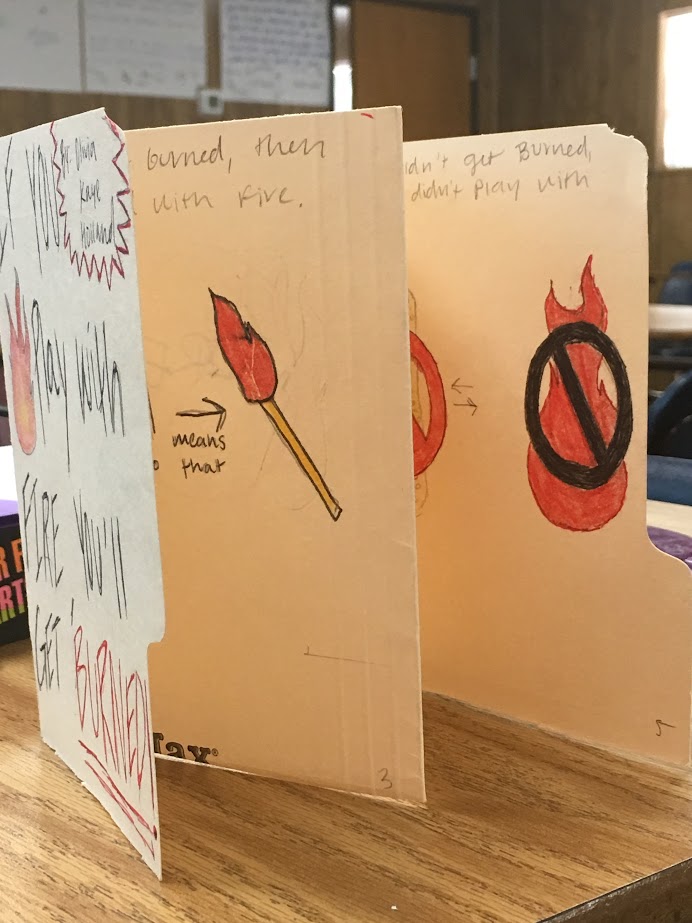
File folders have also been indispensable for various class projects. For instance, I’ve adapted them to create unique booklets for projects like the “If/Then Statement Project Book” and the “Parallel Lines Cut by a Transversal Park Project.” While the “If/Then Statement Booklet” concept isn’t originally mine, I’ve customized it by cutting a folder in half and folding it like a fan, providing each student with a convenient booklet to work on. This approach ensures that everyone has the necessary materials, and it’s quite resource-efficient, with one folder serving two students.

One of the most beloved projects among my students is the “Parallel Lines Cut By a Transversal Park Project.” While I’ve typically used poster paper for this project, one year, I decided to experiment with file folders. This switch allowed students to easily transport their projects between school and home. Despite the unconventional material, the manila folder’s color works exceptionally well for students to express their creativity with various colors. The end result is a project that’s both practical and visually appealing.

The video below shows the project in the folder!

Sturdy Holder:

Here’s one last way that I used a file folder as a tool. This was a desperate attempt to teach some of my low level students how to solve equations. I made it a station.

In conclusion, it’s amazing how a simple file folder can transform our teaching and organizational methods. Whether it’s ensuring smooth sailing during your absence, creating durable game boards, or facilitating engaging class projects, these unassuming tools have proven their worth time and time again. As educators, we’re constantly adapting and innovating, finding new ways to make learning more efficient and enjoyable for our students. So, don’t hesitate to explore the possibilities of file folders in your classroom. Who knows what creative solutions you’ll discover? Thank you for joining me on this journey, and I look forward to sharing more insights and tips. Don’t hesitate to comment and below and share some of your own unique ideas!

What Unfolds in Your Math Class When the Bell Rings?

The bell to start class just rang. Now what? Let’s talk about those classroom openers that go by many names – “bell ringers”, “warm ups”, or “do nows”. After over 35 years in the teaching game, I’ve had my fair share of experiences with these little classroom kickstarters. You could say that bell ringers (or your preferred name) and I have a bit of a “frenemy” relationship. Why? Let me elaborate on the advantages and challenges I’ve experienced with bell ringers throughout my career.

As we head into a new school year, I’ve been thinking about what still works — and what needs a refresh. Bell ringers are one of those things that can either work for you or they can be a challenge. It’s important to know how to use them properly and to realize the purpose.

The Value of Bell Ringers

First things first, let’s acknowledge the credit bell ringers deserve. They can truly elevate your teaching game. Once seamlessly integrated into your daily flow, most students will fall in line. When students enter the room, they dive straight into the bell ringer activity. This gives you some precious moments to tackle all those initial tasks that need attention – like attendance, catching up with absentees, and the never-ending quest for missing assignments.

Wondering how to make this streamlined approach a reality? It’s all about setting the groundwork from day one. Here’s the deal: let your students know that the next time they walk into the classroom, there will be a bell ringer or directions on the board waiting for them, and they should start on it right away. Consistency is key here – when you establish this routine early on, students will come to expect it and know exactly what’s coming their way.

But that’s not all. Having them dive into the bell ringer gets their gears turning. It’s like flipping a switch that says, “Time to learn, folks!” The activity itself helps reel in their focus, and guess what? It prevents those precious minutes from vanishing into thin air. Trust me, math teachers know how to squeeze every ounce of learning time from the clock.

What adds to the charm of bell ringers is their versatility. They can serve specific purposes within your lesson plan. Whether reviewing a topic, accessing material that might otherwise be overlooked, or even acting as a captivating lesson hook – a purpose-driven bell ringer provides valuable insights to educators while aiding students’ comprehension of topics and sparking their interest.

I often used bell ringers to prepare students for upcoming exams such as in-school ACT, SAT, or state tests. Additionally, I found value in conducting reviews of past topics and addressing areas where I knew many students have learning gaps.

Let’s Talk Challenges Now

It’s important to know that bell ringers don’t always go as planned. One big issue is treating them as just something to pass the time. If students think they’re not important, they might not take them seriously. Have you ever had a student ask, “Does this count for a grade?” That’s their way of saying, “I’ll only do it if it matters.” So, the trick is to make sure they have a clear purpose. Even if grades aren’t involved, helping students understand how the bell ringer helps their learning is key. It is also important that students know that once they are finished with the bell ringer, there’s a good chance that someone in the room will have to explain how to work the problem or even go to the board and work it. If students feel like they might get called on, they will not want to get caught off guard.

There were times when I was in a pinch and had to create a bell ringer on the fly, without much preparation. It’s no secret that students can sense when things are a bit disorganized. You see, the whole “Fake it until you make it” idea doesn’t work well in teaching. You can’t pretend to be organized. With a classroom full of around 28 students, there’s just too much happening. You’ve got to be on your A-game. Teaching requires real organization and being genuinely ready for what’s ahead. So, take it from someone who’s been through it – staying organized is a true game-changer and that applies to having a prepared bell ringer.

There have been times when I decided to stop doing bell ringers altogether, or at least in some classes. During remote learning, my bell ringers didn’t translate well online, so I paused them for a while. The important thing is, it’s okay to change things up when needed.

Transitioning from one activity to another can make or break the classroom atmosphere. There were years when after the bell ringer, things got a bit crazy until I could get things back on track. Realizing the importance of fewer disruptions in certain classes, I chose to skip bell ringers to stay focused and keep my sanity intact. By the way, transitions can be smooth. If you give clear directions on what to do next and even set a timer, they can go better.

The biggest reason that I have a love-hate relationship with bell ringers is the significant time investment required to either source or craft them. It can feel counterintuitive to dedicate an hour to creating something that’s intended to occupy just around 10 minutes or less of valuable class time.

Purpose Matters

If you’re set on doing bell ringers, give them a purpose. Before going any further on your quest for bell ringers, stop and write the purpose the bell ringer will serve. Here are some suggestions:

  • It will be a hook for the lesson.
  • It will be a digital task.
  • It will be a review of the previous day.
  • It will be state testing review.
  • It will be college readiness review.
  • It will be spiral review.
  • It will be a writing task.
  • It will be a seasonal math task.

Once you lock in that purpose, you can hunt down the material. You need to think about how much time you want to spend on the bell ringer in class. That will help determine how many questions you want to have. I’ve listed some ways to come up with the problems:

  • Search real-life examples so the problems have meaning.
  • Use Desmos activities and spread them out over a week.
  • Write questions that are similar to the homework.
  • Use released test questions from your state tests or from college entrance exams.
  • Grab problems out of the math book at the end of units for spiral reviews.
  • Use AI generated questions. Beware! AI is not always great with math.

Now that you know your purpose and where your material is coming from, what format do you want to use? I’ve done different things, but one of my favorites is a three question approach where the first two questions scaffold for the third question. I’ve used this format in my ACT Bell Ringers as well as my SAT Bell Ringers. Day 26 from the SAT Bell Ringers is seen below:

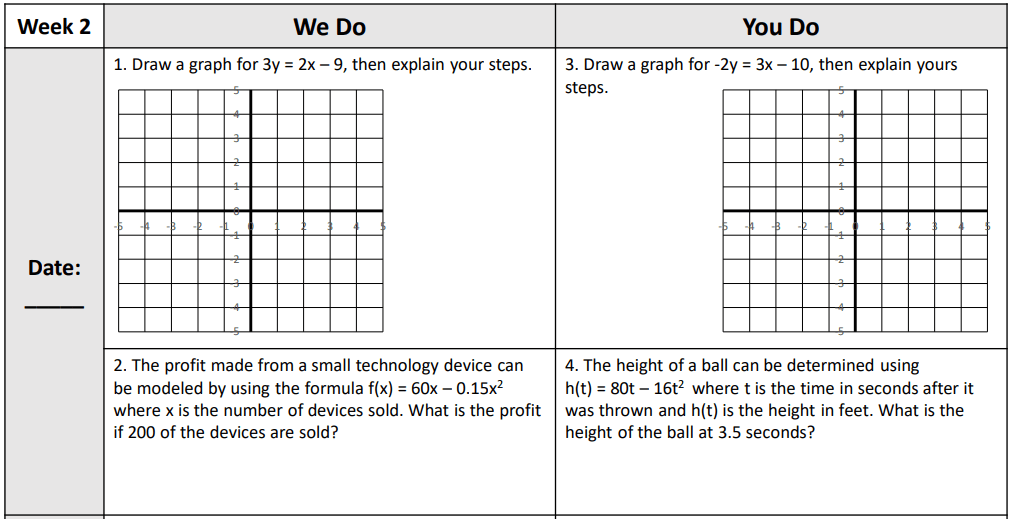
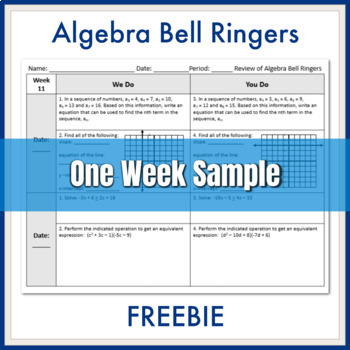
Another option is “We Do, You Do”. Together with the class, the teacher works through 1 and 2 and then lets the students work by themselves on 3 and 4. In this format, the teacher will begin class working the problems. When students work the other two, she can go do her attendance and other tasks. This approach is good when you have students that have a hard time starting. The example below is from my Algebra Review Bell Ringers.

Recently, I’ve been developing a new style of bell ringers designed with differentiation in mind. Instead of every student working through the same set of problems, this format allows students to choose from multiple levels of challenge based on their confidence and readiness that day.

This approach keeps all learners engaged—whether they need a little extra support or are ready to stretch their thinking. It also builds student independence, since they’re making decisions about how to approach the task. These differentiated bell ringers aren’t uploaded just yet, but they’re on the way. I’m excited to share them soon!

Your Bell Ringer Investment

Most of us do not want to spend our precious teacher planning period on bell ringers, so we end up working on it at home. If you decide to create these bell ringers yourself, then by all means save them so you have them for the next year. Make your time investment work for you in the future.

If you decide that recreating the wheel is not for you, then you can look at what I have. I’ve bundled up my most-used bell ringers from over the years to save others some prep time. Whether it’s Geometry, Algebra, or even a sprinkle of Trig, there’s plenty of things to choose from. Check out the resource after the final paragraph. You can look at the individual items and purchase them separately too.

In closing, the journey with bell ringers is an exploration of balancing their benefits and challenges. As educators, we adapt and refine our approach, always seeking the best ways to engage our students. Whether you’re harnessing the power of purpose-driven bell ringers, navigating their quirks, or even deciding to take a break when necessary, remember that your dedication to creating a meaningful learning experience remains at the heart of it all. With purpose as your guide, you’re well on your way to transforming those initial moments into impactful stepping stones towards an enriched classroom experience. Keep up the incredible work, and keep those bell ringers ringing with purpose!

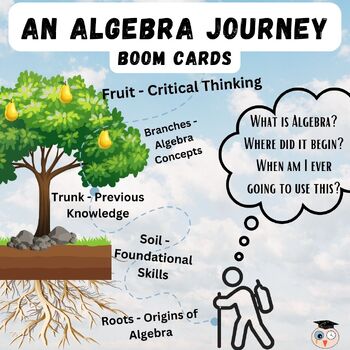
From Roots to Fruits: An Engaging Journey for Your Algebra Students

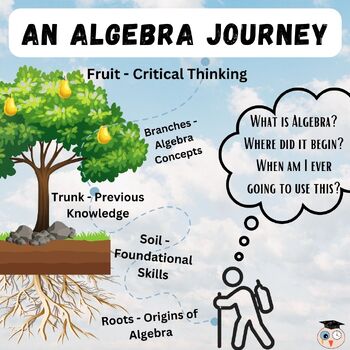
I’m thrilled to introduce a versatile algebra resource that will take your students on an exciting journey through the world of algebra. At the beginning of the year, I like to introduce students to the origins of algebra, give them some idea of why they need it and to give them some relief that they are prepared for this moment because of their background in math. In the past, I’ve addressed this in a disconnected manner. For the first time, I’ve actually created a resource that takes students on this journey in a fun and organized fashion. I’m excited to give you an opportunity to use it in your classroom this year.

The presentation is offered in several ways so that teachers can choose the option that fits their needs. Do you want a teacher-led presentation or do you want self-directed work? Would you rather the students work through a Boom Card activity? The teacher-led journey and the student self-directed exploration are included in one resource. The Boom Card activity is in a separate resource since not all teachers are familiar with this type of application. Check out the descriptions of each below:

  • Teacher-Led Journey:
    The teacher-led journey is captured through a PowerPoint. To make it easy on the presenter, I’ve included a teacher guide that provides clear instructions, ensuring a seamless experience as you navigate the presentation. Your students will participate in the reading of the slides, answering some math questions along the way and they will be creating a picture of a fruit tree that represents their journey. (Roots – origins of algebra, soil and rocks – the foundational skills needed and so forth.)

  • Self-directed Exploration:
    Recognizing that every classroom is unique, I’ve also included alternative options for student-led exploration. The Google Slides version allows your students to take control of their learning, engaging in a “scavenger hunt-style” activity at their own pace. Teamed up with a Google Forms companion, your students can answer questions, solve math problems, and reinforce their understanding while enjoying the freedom to explore independently or collaborate with a partner. While progressing through the Google Forms, students will have the opportunity to simultaneously create the picture of the fruit tree.
  • Boom Card Adventure:
    To add an interactive twist to the learning experience, I’ve created a Boom Card activity. Your students can embark on an exciting adventure through a series of engaging digital cards, answering questions and deepening their understanding in a fun and gamified format. The Boom Cards offer an exciting way to reinforce concepts and keep your students motivated as they progress on their algebraic journey. No tree is created in this activity, but the slides are basically the same as the presentations referred to earlier with the addition of some mulitple choice and matching questions. This self-graded option is perfect if you are fond of Boom Cards and you want your students engaged. They can work through the cards as many times as you will let them.


This resource addresses common student questions, such as “What is algebra?” and “When will I ever need it?” By launching this algebraic adventure, your students will gain a deeper understanding of the subject’s origins, its practical applications, and its relevance in their daily lives. Through a combination of visual aids, interactive activities, and thought-provoking questions, this resource aims to introudce algebra in a fun and eye-opening way. The Algebra Journey Activities are below. The poster is a freebie and fits well with the activity. Go take a look and good luck this year!