15 End-of-Year Ideas to Keep Your Math Students Engaged

The end of the year is fast approaching and you’re probably wondering what you can do in your secondary math class to make the most of the time left. Here are some suggestions. See what will fit your situation!

  1. The obvious thing to do is review. You’ve covered a lot of topics throughout the year, so take some time to go over key concepts and formulas. Throw in some practice problems, games, technology, and hands-on activities to reinforce what has been learned. Reviewing is boring, so as you read down this list, use some of these strategies in your reviews.
  2.  Another idea is to assign a project that allows students to apply what they’ve learned to a real-world problem. This would be a great way to see math in action and flex their problem-solving muscles. An example would be to have students model real-world phenomena, such as population growth or temperature changes, using algebraic functions. This project would require students to apply their knowledge of function notation and graphing to real-world scenarios.
  3.  You will probably be giving exams, so another thing to talk about is test-taking strategies. Discuss how to read and interpret word problems, how to show work, and how to avoid common mistakes. Practicing these skills would be beneficial to show students how the strategy works. Teach your students how to make a brain dump. This is especially helpful for state exams.
  4.  Create a fun and engaging math competition for students to participate in. This can be a great way to end the year on a high note and showcase students’ math skills.
  5.  Offer individualized feedback to students on their performance throughout the year. This can help them identify areas for improvement and develop a growth mindset. If you have over 100 students, this could be a daunting task. Ask students to self-reflect first, then you could quickly add a statement or two and comment on what they felt were their strengths and weaknesses.
  6.  Recognize students who have excelled or improved in math throughout the year. This can be done through awards, certificates, or other forms of recognition. It’s also fun to give silly awards since, at this point in the year, you know the students so well.
  7.  Encourage students to set goals for themselves and create a plan to achieve them over the summer or in the next school year. It is a great skill to learn how to set goals. The great thing is that you don’t have to look at them. Have students type the goals in the notes on their phones and then encourage them to occasionally look at them to see their progress. 
  8.  Reflection activities can help students process their math learning and prepare them for future math classes. Some ideas are surveys, class discussions, journaling, writing a letter to their future self, and creating a portfolio with some of their best work.
  9.  Choose a math-themed movie or documentary to watch in class and use it as a springboard for discussion and learning. Some great options include “Hidden Figures”, “A Beautiful Mind”, “October Sky”, and “The Story of Maths”.
  10.  Create or have your students create math-themed board games that can be played in class. This is a great way to review key concepts while having fun with your students.
  11.  Group challenges encourage teamwork, foster critical thinking, provide a fun and engaging experience, build problem-solving skills, and promote healthy competition. Some group challenges are scavenger hunts, escape rooms, Kahoot, Quizizz, Jeopardy, debate, and so forth.
  12.  Take your students on a math-focused field trip to a museum, science center, or even a local construction site. This can help them see the practical application of math in the real world.
  13.  Bringing in a guest speaker would be a nice change and break up the monotony at the end of the year. It can inspire and motivate students, provide a different perspective, introduce new topics, build connections, and offer networking opportunities.
  14.  Peer tutoring is a great way to add something special to the end of the year in a math class. It encourages collaboration, builds confidence, reinforces learning, provides personalized learning, and promotes social skills.
  15.  Go outside if it’s feasible. Let students take their math notebooks and pencils and sit under a tree to study or take chalk outside and let students work on math problems on the sidewalk. Getting outdoors at the end of the year is a great way to refresh and rejuvenate yourself and your students!

It’s super important to plan out the end of the year for your math classes. You don’t want to bore your students with endless reviews and exams. Instead, make it fun with cool activities that connect what they learned to the real world. Personalized feedback is a must too, so get to planning and make the end of the year a blast for your students!

Here are some of my own resources that I tend to use at the end of the year:

Making Mistakes in Math

Say this to yourself: “I make math mistakes and it’s ok!” Most of the mistakes we make as teachers are probably because of being careless. Our minds are processing 20 different things while we are teaching. We are wondering if the students are understanding or if Susie is on her phone or if Johnny is ever going to come back from the restroom. 

Make it known from the beginning of the year that you WILL make mistakes and you need the students to catch those mistakes. If they catch the mistake, then give them bonus points or a sticker or some reward to let them know it’s important that they notice your mistakes. Also tell your students that you do not know everything about math. That might shock them. You need to show vulnerability so that the students feel comfortable about their own mistakes. When you make a mistake and a student points it out, say THANK YOU!

Something that I have said many times this year is that I want the students to be wrong… a lot. I want them to mess up. I want them to make mistakes. I want them to leave the class and say, “Well I made a lot of mistakes today in math.” Weird, I know…but if they can say that, then they worked hard in class. Mistakes are a part of learning. Mistakes mean effort. No mistakes will probably mean no work. 

Have you asked a student a question and they say, “I don’t know?” Tell them they can’t say that anymore. Do not let them write IDK for an answer on a paper. That’s a big no no. I tell the kids to “Fake it until you make it.” Act like you know. Put something down or give some sort of answer. Who cares if you are wrong! 

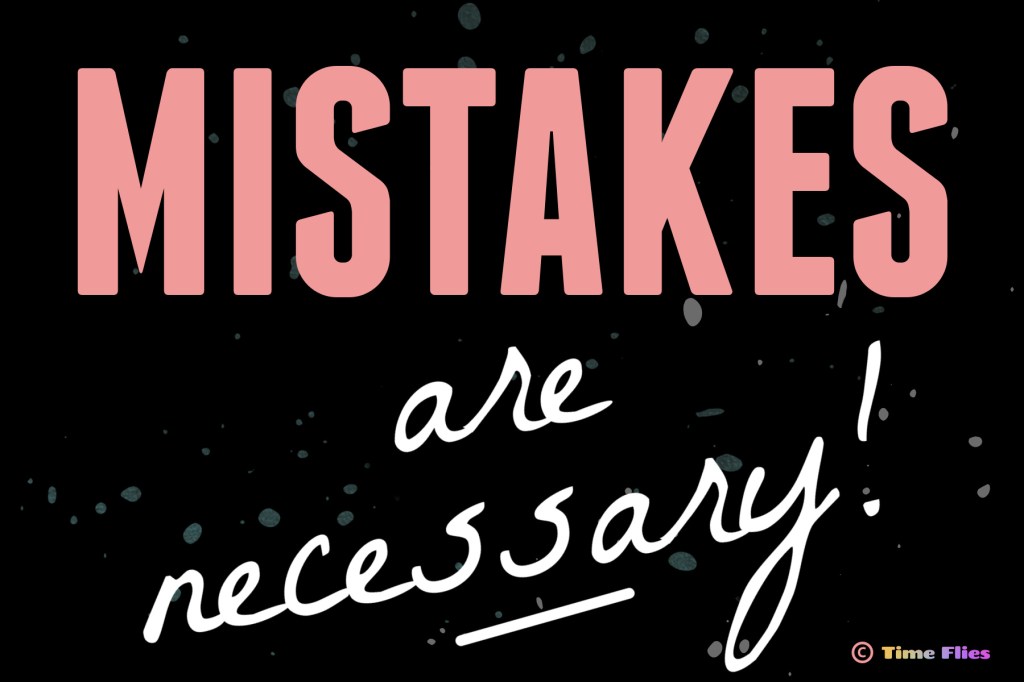
Next week when you are teaching, look at your students and see who is just sitting. Walk the room. Who has a blank paper. Don’t let this happen. Get the students involved and teach them to be ok with math mistakes. Mistakes are necessary! 

(Here is a gift to you. A digital display poster of Mistakes are Necessary. This is from my Google Drive… if you cannot open it, try from your personal email and not your school email.)

This post was a newsletter first. This is the kind of content that I like to write for my email subscribers. If you’d like to be a part of my email list, sign up here. My goal is to provide tips, ideas and resources for the busy secondary math teacher or tutor. If that’s you, please join.

Teaching Regular Math Students – The Good, Bad and Ugly

Teaching math has given me so much joy and so much stress over my career. Out of my 35 years of experience, I would say 75% of the time I was teaching regular students. When I use the word “regular”, I’m referring to students not in a Pre-AP, accelerated or honors math class. I’m not going to lie… it has not been easy. If I had to describe to a new teacher my experience over the years, I think I would describe it as GOOD, BAD and UGLY!

Side Note: I’m a Clint Eastwood fan. I have a picture of him on my wall in my living room so I’d say I’m a pretty big fan. One of his most popular westerns, was The Good, The Bad And The Ugly. You can’t think about that film without hearing the music that plays constantly throughout it. If you’ve never watched the movie or heard the music, you should do it. Here’s the music. Play it softly while you are reading. You’ll enjoy it.

The Good: Of course the good part about teaching regular students are the students! The kids are mostly awesome. You get a turd (pardon me) in there every once in a while, but for the most part, the kids are awesome. If you will take the time to make connections and get to know them, you will find out how wonderful they can be.

How do you make connections? First of all, don’t be their best friend. You are the adult. It’s ok to listen to them tell you about their bad day, but it’s not ok to take them to Sonic and have a drink. Don’t be THAT teacher! Make connections by finding out about their hobbies. Ask questions about their past math experiences. Ask them how they learn best. Go watch their school football or volleyball games. It’s great for the students to see that you care about them, but be super smart about your actions.

Students that act out in class are not bad kids. If they talk too much, or sleep during class, there is a reason. Try to get to the bottom of the issue. You can remedy problems very quickly if you can get to the root cause. Ask them questions like:

  • “I notice that you sleep during class, do you have a job that keeps you up late?”
  • “How have you done in past math classes?”
  • “Do you get along with everyone in this class?”

The kids themselves are not the issue in regular classes. There is much more to this! Keep reading!

The Bad: One bad thing about teaching these classes will be the size of your class. The majority of students are in regular classes, so it makes sense that these classes will be bigger. That’s bad because how do you help these students individually? It’s tough, but one solution is to let them help each other as much as possible. I like to do lots of partner work and group work which can be good and bad. You have to train the students how to act. Give them specific directions on duties and protocols. Be consistent and it will get better. If you keep them in rows and stand and talk at the front of the room all day, they will not learn a thing. Trust me on this one. I’ve been THAT teacher.

One of my favorite things to do in groups is group tests/quizzes. The strategy is to get everyone engaged and learning from each other. To learn more about my group quiz strategy, go here.

Organization can be a booger too! Here are a few things to make your classes run smoothly:

  • DON’T grade everything.
  • Keep a seating chart at all times. This saves so many headaches! Students see you have an expectation of where they will sit. This shows them that you are organized.
  • Make use of a hall pass and keep a tardy log.
  • DO use every ounce of time in class to work. Free time is not good with this type of student…which leads me to the next paragraph…

Many of these types of students do not know how to self start, so you will need to guide them in this. Motivation levels in regular students are not always the best either. How do you teach them to be motivated and be a self starter? First of all, have procedures. Students need to know exactly what you expect when they walk in the door. Phones are put away and the spiral notebooks come out! Figure out what is best for your classroom. The motivation comes over time if students are not bored, see value in what they are learning and gain some confidence.

The Ugly: The ugliest part about teaching regular math students is the wide variety of abilities. This presents a huge challenge. Is differentiation the answer? You can differentiate all day long but when you have 170 students, 11 of them are SPED, several students are dyslexic, and 59 are ESL, then it gets ugly. How can I differentiate? Differentiation does not have to be create a brand new lesson that is specialized for each person. Here are some ideas to differentiate in a math class:

  • Reducing the number of problems by looking at a worksheet and deciding which ones are tougher and taking those off. Another way of reducing work and letting the student feel like they are playing a role is to tell them to do any 5 out of 10 problems.
  • Choose between a digital or paper and pencil.
  • Choose between preferred learning style…worksheet vs. kinesthetic.
  • Create their own problems and work them.
  • Record their explanation instead of writing it.
  • Let them redo the work many times until they understand. Don’t recreate the wheel… Boom Learning is perfect for this as well as Easel activities from TpT. (These links send you to my stores on both sites. The Easel activities can be created using any PDF. If you see something you would like for me to change into an Easel activity for you, just email me: lisa.hamiter@timefliesedu.com )
  • Working with a partner or a group.

I don’t want to sugar coat what it’s like to be a teacher of regular math students. It’s hard, but there are ways to make it work and make it better. I hope that I’ve given you some ideas to use to help make your teacher life more doable. Be positive and treat yourself with grace. This is a tough job, but it can be rewarding. If you have any questions, please email me. Have a great year!

10 Simple Teacher Tips For Less Stress at School

Over the years I have tried many things to make teaching a little less stressful. Some people thrive on chaos, but I don’t. I can’t think straight when my environment is chaotic. I like order (even though I’m not the most organized person). I want a system in place so that I can teach and not worry about other things. Here’s a list of things that I do to keep me sane. I hope you can get at least one idea that will help you!

Tip #1: KEEP ALL ANSWER KEYS IN ONE SPOT – Seems simple but I did not start doing this until several years ago. I was constantly searching for my answer keys. I now keep every answer key in the same folder in my top drawer. I empty the folder each 6 weeks. This was super helpful the years that I taught 3 subjects. I would still put all the answer keys from different subjects together because then I did not have to wonder where they were. I could go straight to my answer keys and not waste time on making a new one or searching for the one I already had. When a student is absent or I get a late paper, I know exactly where the answer key is and I can grade it quickly.

Tip #2: PREPARING FOR THE NEXT DAY – Do not leave school until you know exactly what you are doing the next day and you have all your copies made and you are ready to go. (Please don’t stay long hours after school doing this. Ideally, get it done during your planning. Decide on an activity and prepare it and be done! Dwelling on what to do will get you no where and will waste your precious home time.) Technically, you should have a broad plan for the year or at least a plan for a six weeks. I get it though. Sometimes you go into survival mode and you end up planning a day ahead or even the day of. I’ve been there and I still have those days occasionally. I feel so much better when I leave school knowing that I’m ready for the next day. I do not like the feeling of scrambling at the last minute. If you are prepared, then you can handle anything that comes your way…even those unexpected things that can happen. Try not to “wing it” very often.

Tip #3: KEEP AN INTERACTIVE NOTEBOOK – You know all of those papers you get at meetings? Put them all in one place. Every meeting that I go to, I tape in the papers that I receive at that meeting. If I don’t, it will go into a pile and I’ll never see the papers again. I’ve had administrators come to me to ask for something that they handed out to the teachers but couldn’t find it themselves. (Oy Vey)

Tip #4: KEEP CERTAIN THINGS IN VIEW – Tape your school bell schedule and school calendar in an easy to see place in your room. It’s for you and your students. Trust me, it makes life much easier if you don’t have to search for these items when you need them.

Tip #5: SEATING CHARTS ARE A MUST – Make a seating chart from day 1 and keep it handy! As you rearrange the room, be sure to keep your chart updated. Yes, students need a seating chart…EVEN IN HIGH SCHOOL. You don’t want to learn things the hard way on this one! I number my desks and that helps too! The more you can control what’s happening in your room, the better.

Tip #6: BE A GOOD NEIGHBOR – Exchange phone numbers with your fellow teachers that are on either side of you. If you are running late, you can get one of these teachers to help watch students until you get there. This has saved me on many occasions.

Also, think about how loud your classroom is. You do not want it to affect the classes around you. If you know you have a loud activity coming or you will be playing a video, warn your neighbors and see if they have a test planned or something you need to know.

Tip #7: “NO” > “YES” – Don’t be afraid to say no. As a matter of fact, say NO more than you say YES. You do not have to be on every committee. Don’t take on a task when you know you don’t have time! It gets easier to say no the more you do it.

Tip #8: DON’T GRADE EVERYTHING – Some items can be graded on completion. Have students hold up their paper and show you both sides. If they’ve done most of it, it’s a 100. If they haven’t, you can be the judge on what you want to do. You could give them a 50 until it’s done or whatever seems best for you and your class. I don’t take up many papers anymore. I don’t want to touch them for one thing. I have students tape them in their journal. I usually let them use their journal on quizzes or even tests. I want them to see the value in doing their work and keeping it. Everything is not about the grade, but it IS about the knowledge!

Tip #9: ROUTINES – Make sure you have a beginning of the class routine and an end of the class routine. At the start of class, students need to know they sit down and start the bell work. (Put phones away, get materials out and start.) Have a paper that they pull out or something on the board for them to do. With 5 minutes left at the end of class, have students clean up after themselves, put materials away and prepare to leave. If you don’t do this, your room will be a wreck. If you don’t want them to stand up until the bell rings, then let each row leave one at a time. I know this sounds elementary, but it doesn’t hurt especially if you have a rowdy group. I’ll say, “I’m letting the cleanest, straightest, quietest row go first. This works so well. If one kid is messing it up for his row, then I hold the one kid back.

Tip #10: TAKE CARE OF YOURSELF! – Do not hesitate to lock your door between classes and run to the restroom or to fill your water bottle. Make sure to keep snacks in your desk or extra money to get that caffeine fix when you need it. Put some Advil or Tylenol, Tums, gum, air freshener, hand sanitizer, deodorant, lip balm and a mirror in your desk. During your planning period, get the calming music going and try to relax for a few minutes before working. Don’t skip lunch. Try not to plan things during lunch. For some teachers, lunch is the only break all day! If this is you, then make sure you take time for yourself and get your mind off of school for a few minutes.

I hope you can take at least one tip and use it to your advantage. It’s important to make your school life more enjoyable. Teacher burnout is real. Set up systems ahead of time and keep a routine as well as you can. Some days will be chaotic no matter what, but the more you can think ahead for yourself, the better.

Don’t reinvent the wheel. If you have a need, then go see if you can find it in my store. If you can’t find it, email me. I probably have something that you can use. I’m just an email away: lisa.hamiter@timefliesedu.com